






 English
 Spanish
 French
 German
 Italian
 Chinese (Simplified)
 Japanese
 Korean
 Arabic
 Portuguese
 Send Inquiry
GRC and FRP Facades
Price 20000 INR/ Set
MOQ : 1 Set
GRC and FRP Facades Specification
- Lighting Style
- Can be used with Backlit/LED lighting
- Water Proof
- Yes, Water and Weather Resistant
- Features
- Corrosion Resistant, Fire Retardant, Easy to Install, Low Maintenance
- Shape
- Rectangular or As per Architectural Drawing
- Installation Guideline
- Mechanical fastening with steel framework, onsite alignment required
- Appearance
- Designer, Embossed, Detailed Finish
- Capacity
- High Structural Strength, Lightweight
- Product Type
- Party Favor
- Occasion
- Wedding
- Material
- FRP
- Use
- For Decoration
- Color
- White
- Technics
- Cast Molding or Resin Molding
- Design Type
- Decorative, Ornamental
- Size
- Customizable as per project requirement
- Application
- Building Exterior Facades, Interior Wall Cladding, Event Backdrops
- Fire Rating
- Meets ASTM/BS and local safety standards
- Compatibility
- Suitable for RCC, Steel, Brick, and Block Structures
- Accessories Provided
- Mounting Brackets, Installation Manual, Joints and Sealants (optional)
- Eco-Friendly
- Yes, Recyclable Material
- Weight
- Low weight compared to traditional concrete
- Thickness
- 10-30 mm (customizable)
- Surface Finish
- Smooth / Textured (as per design)
- Durability
- High UV and Environmental Resistance
- Sound Insulation
- Good sound dampening properties for facade panels
- Maintenance
- Minimal, Washable and Stain Resistant
- Density
- Approx. 1.8-2.2 g/cm³ (GRC); 1.6-2 g/cm³ (FRP)
- Customization
- Available in various patterns, motifs, and sizes
GRC and FRP Facades Trade Information
- Minimum Order Quantity
- 1 Set
- Supply Ability
- 100 Sets Per Day
- Delivery Time
- 10 Days
- Main Domestic Market
- All India
GRC and FRP Facades About
GRC FRP facades is a critical component that plays an essential role in the preparation of any event, enhancing the aesthetic appeal as well as functionality of venues. These facades are architectural elements that are used to transform spaces for memorable celebrations. Decorative glass reinforced concrete and fiber reinforced polymer facades act as backdrops for stages and photo booths, seamlessly blending with the event theme and improving the visual appeal. These facades allow for lighting effects that create an ambiance that aligns with the event color scheme. These portable facades also act as privacy screens, which can also be personalized as required.
Advanced Material Technology for Facades
Manufactured from high-performance GRC or FRP, these panels exhibit impressive durability and weather resistance. Their low density and lightweight structure make them an attractive alternative to traditional concrete, reducing load on buildings without compromising on strength. The materials are inherently recyclable and meet rigorous ASTM/BS and local fire safety standards, supporting eco-friendly and safe construction practices.
Aesthetic Flexibility with Custom Designs
Every facade panel can be customized to match the design intent, offering a selection of surface finishes-smooth, textured, designer, or embossed. Patterns, motifs, and sizes are crafted via cast or resin molding techniques, making them ideal for any architectural theme, including ornate ornamental work for weddings or contemporary exteriors for commercial and residential spaces.
Easy Installation and Reliable Maintenance
Each facade system is supplied with all necessary mounting brackets, joint and sealant options, and an installation manual. Panels are mechanically fastened to a steel framework with precise onsite alignment, ensuring secure placement. With minimal upkeep required, panels are washable, stain-resistant, and maintain their original appearance with just periodic cleaning.
FAQ's of GRC and FRP Facades:
Q: How are GRC and FRP facade panels installed?
A: The panels are mechanically attached to a steel framework using supplied mounting brackets. An installation manual is provided for guidance, and onsite alignment ensures an exact fit. Optional joints and sealants can be used depending on project needs.Q: What types of projects are GRC and FRP facades suitable for?
A: These facades are highly adaptable and can be used for building exterior facades, interior wall cladding, event backdrops, and even wedding decor. Compatible with RCC, steel, brick, or block structures, they suit residential, commercial, and event applications alike.Q: When should I choose a smooth versus textured surface finish?
A: The choice depends on the desired architectural effect. Smooth finishes provide a sleek, minimalist look, while textured or embossed surfaces introduce depth, pattern, or decorative detail, suitable for highlighting design features or achieving specific aesthetics.Q: Where can lighting be integrated with these facade panels?
A: The facade panels can be used with backlit or LED lighting to accentuate designs, especially in event settings or modern architectural projects, creating dynamic visual effects for both interior and exterior applications.Q: What are the key benefits of using GRC or FRP facades over traditional concrete panels?
A: They are much lighter, easy to install, have high structural strength, excellent durability against weather and UV exposure, are fire-retardant, eco-friendly, low maintenance, and offer broad design customization-making them a practical and aesthetic upgrade from conventional materials.Q: Is customization available for size, color, and design?
A: Yes, customization options include thickness, density, patterns, motifs, size, and even finish. Standard color is white, but panels can be tailored to suit project requirements or architectural drawings.Q: What is the process for maintaining GRC and FRP facades?
A: Maintenance is simple-panels are washable and stain resistant, requiring only periodic cleaning to retain their appearance. Their robust surface finish and durable materials greatly reduce the need for frequent or intensive upkeep.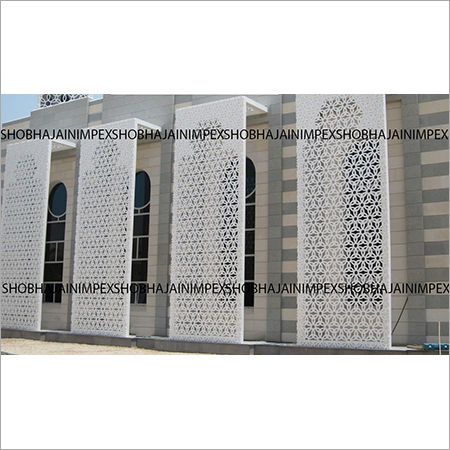
Tell us about your requirement

Price:
Quantity
Select Unit
- 50
- 100
- 200
- 250
- 500
- 1000+
Additional detail
Mobile number
Email

More Products in GRC and FRP Facades Category
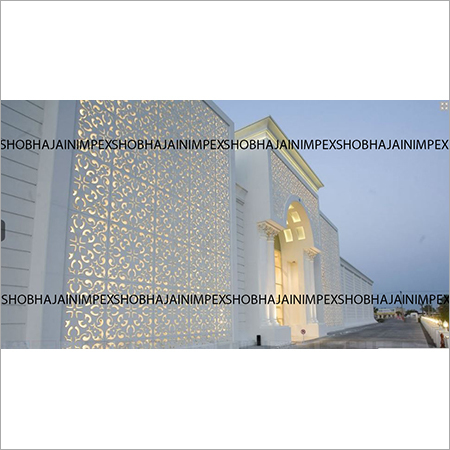
GRC and FRP Facades 02
Price 6000 INR / Set
Minimum Order Quantity : 1 Set
Size : Customizable as per project requirements
Design Type : Architectural facade panel
Color : White
Lighting Style : Can be integrated with external lighting
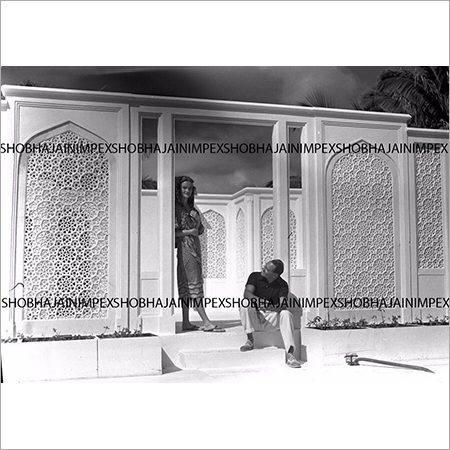
GRC Facades
Price 15000 INR
Minimum Order Quantity : 1 Set
Size : Customizable as per project requirements
Design Type : Contemporary Architectural Facade Panel
Color : White
Lighting Style : Ambient/Backlit (optional integration with LED lighting)

Our major export markets are United State, Canada, United Kingdom, Asia, Australia, Central America, North America, South America, Eastern Europe, Western Europe and Middle East.
Contact Details
- BNo K-37, 3RD FLOOR, TERRACE, MODEL TOWN PHASE 2,Delhi - 110009, India
-
tapan@shobhajainimpex.com


Phones
- Phone :08045803474
Share to




 Send Inquiry
 Send SMS
 Call Me Free
SHOBHA JAIN IMPEX All Rights Reserved.(Terms of Use)
Developed and Managed by Infocom Network Private Limited. Terms of use | Returns Policy Member
Developed and Managed by Infocom Network Private Limited. Terms of use | Returns Policy Member
