






 English
 Spanish
 French
 German
 Italian
 Chinese (Simplified)
 Japanese
 Korean
 Arabic
 Portuguese
 Send Inquiry
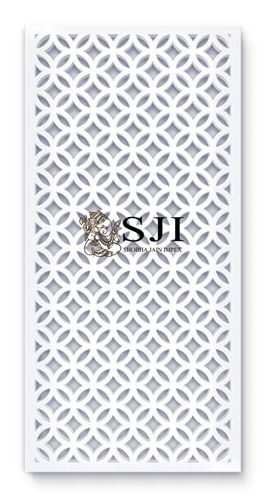
GRC Jali
MOQ : 100 Pieces, ,
GRC Jali Specification
- Installation Guideline
- Wall Mounted or Free Standing, Fix using Fasteners or Adhesives
- Water Proof
- YES
- Appearance
- Designer / Patterned
- Lighting Style
- Ambient Lighting Compatible
- Features
- Lightweight, Durable, Weather Resistant, Elegant Look
- Shape
- Rectangular / Custom Shapes Available
- Product Type
- Party Decoration
- Occasion
- Event Decor, Weddings, Hotel Lobbies, Commercial Spaces
- Material
- GRC
- Use
- Commercial
- Color
- As Per Requirement
- Technics
- Normal
- Application
- Indoor & Outdoor Architectural Decoration
- Size
- Customizable as per order
- Design Type
- Laser Cut / Decorative Pattern
- Thickness
- 20-35 mm (Standard), Custom Available
- Service Life
- Over 10 Years
- Packing Type
- Bubble Wrap/ Carton Box/ Wooden Crate
- Environmental Impact
- Eco-friendly, Low Maintenance
- Resistance
- UV Resistant, Non-Corrosive
- Minimum Order Quantity
- Varies as per Specification
- Finish
- Smooth / Matt / Textured as Required
- Customization
- Available in Patterns, Sizes and Colors
- Fire Rating
- Fire Retardant
GRC Jali Trade Information
- Minimum Order Quantity
- 100 Pieces, ,
- Payment Terms
- Cash on Delivery (COD)
- Supply Ability
- 5000 Pieces, , Per Month
- Delivery Time
- 10 Days
- Main Domestic Market
- All India
About GRC Jali
Glassfiber Reinforced Concrete (GRC) Jali is a architectural and decorative element made from a special type of concrete that is reinforced with glass fibers. "Jali" is a term commonly used in South Asian and Middle Eastern architecture to refer to perforated screens or lattices often used as decorative features in buildings. These screens provide a combination of privacy, ventilation, and aesthetics. GRC is a composite material that combines the strength of concrete with the flexibility and durability of glass fibers.
Here are some key characteristics and advantages of GRC Jali:
1. Lightweight: GFC is significantly lighter than traditional concrete, making it easier to handle and install.
2. Strength: Despite its lightweight nature, GRC is quite strong and can withstand structural loads and environmental conditions.
3. Flexibility in Design: GRC can be molded into various intricate designs and patterns, allowing for a wide range of artistic possibilities. This is particularly important for decorative elements like Jali screens.
4. Durability: GRC is resistant to weathering, corrosion, and other environmental factors, making it suitable for both indoor and outdoor applications.
5. Fire Resistance: GRC has good fire-resistant properties, making it a safe choice for architectural elements.
6. Customization: GRC Jali can be customized in terms of color, texture, and finish to match the overall design theme of a building.
7. Energy Efficiency: The perforations in the Jali screens can provide natural ventilation and daylighting, potentially reducing the need for artificial lighting and air conditioning.
GRC Jali is commonly used in a variety of architectural applications, including:
1. Facade Cladding: It can be used to create decorative facades on buildings, adding an aesthetically pleasing element to the exterior.
2. Balcony and Railing: GRC Jali can be used to create decorative railings for balconies or walkways.
3. Interior Partition: It can also be used as an interior partition or screen to separate spaces while maintaining a sense of openness.
4. Architectural Details: GRC Jali is often used to add intricate architectural details to buildings, such as window screens or decorative panels.
Overall, GRC Jali is a versatile and aesthetically pleasing architectural element that combines the benefits of modern materials with traditional design sensibilities. It is widely used to enhance the visual appeal and functionality of buildings.
FAQ:
1. What is GRC Jali?
Ans: GRC Jali is a decorative architectural element made from Glass Fiber Reinforced Concrete (GRC), which is a composite material that combines concrete with glass fibers. It is used to create intricate screens or lattices in buildings for aesthetic and functional purposes.
2. What are the advantages of using GRC Jali?
Ans: GRC Jali offers several advantages, including its lightweight nature, strength, flexibility in design, durability, resistance to weather and fire, customization options, and energy efficiency.
3. Where can GRC Jali be used?
Ans: GRC Jali can be used in a variety of architectural applications, such as facade cladding, balcony and railing design, interior partitions, and as decorative architectural details both indoors and outdoors.
4. How is GRC Jali customized?
Ans: GRC Jali can be customized in terms of design, pattern, color, texture, and finish to match the specific design requirements and aesthetics of a building.
5. Is GRC Jali suitable for outdoor use?
Ans: Yes, GRC Jali is suitable for outdoor applications. It is resistant to weathering, corrosion, and other environmental factors, making it a durable choice for both indoor and outdoor installations.
6. Does GRC Jali provide ventilation and daylighting?
Ans: Yes, the perforations in GRC Jali screens can provide natural ventilation and allow daylight to pass through, making it an energy-efficient choice that can reduce the need for artificial lighting and air conditioning.
7. Is GRC Jali fire-resistant?
Ans: Yes, GRC has good fire-resistant properties, making it a safe choice for architectural elements.
8. How is GRC Jali installed?
Ans: GRC Jali can be installed using standard construction techniques, such as anchoring or attaching to a building's structure. Installation methods may vary depending on the specific design and application.
9. Can GRC Jali be used in historic restoration projects?
Ans: Yes, GRC Jali can be used in historic restoration projects to replicate traditional architectural elements while benefiting from the advantages of modern materials.
10. What is the maintenance required for GRC Jali?
Ans: GRC Jali typically requires minimal maintenance. Regular cleaning to remove dust and dirt is usually sufficient to keep it looking good over the years.
11. Can GRC Jali be painted or stained?
Ans: Yes, GRC Jali can be painted or stained to achieve the desired color and finish. This allows for further customization and integration with the building's overall design.
12. Are there any limitations to using GRC Jali?
Ans: While GRC Jali offers many benefits, it's essential to work with experienced professionals who understand its properties and limitations to ensure proper installation and long-term performance.
Versatile and Customizable Design
GRC Jali offers extensive customization, allowing architects and designers to select from an array of patterns, colors, and dimensions. Whether it's a sleek laser-cut motif or a more intricate decorative pattern, each panel can be tailored to fit unique project requirements. Perfect for applications that demand both aesthetic appeal and structural performance.
Durability and Low Maintenance
Engineered for longevity, GRC Jali panels are UV resistant, non-corrosive, and weatherproof. The fire-retardant composition ensures safety, while the eco-friendly material choice keeps maintenance requirements to a minimum. With proper installation, these panels maintain their elegant appearance and strength for over a decade, reducing the need for frequent replacements.
Effortless Installation for Various Settings
Designed for both wall-mounted and free-standing configurations, GRC Jali can be securely fixed using common fasteners or adhesives. Their lightweight construction makes handling and installation straightforward, whether in hotel lobbies, commercial spaces, wedding venues, or outdoor architectural projects. Each order is safely packed in bubble wrap, carton boxes, or wooden crates.
FAQ's of GRC Jali:
Q: How are GRC Jali panels installed for indoor and outdoor use?
A: GRC Jali panels can be wall-mounted or used as free-standing features. Installation is straightforward, involving standard fasteners or adhesives depending on the surface. Detailed installation guidelines are provided to ensure secure fitting for both indoor and outdoor applications.Q: What customization options are available for GRC Jali panels?
A: These panels can be customized in terms of design pattern (laser cut or decorative), size, shape, color, and finish (smooth, matt, or textured). You can specify requirements to match project themes or branding needs, making them suitable for a variety of decorative and architectural purposes.Q: What are the main benefits of using GRC Jali in architectural decoration?
A: GRC Jali combines lightweight construction with remarkable strength and durability. The panels are weather resistant, UV resistant, waterproof, non-corrosive, and fire retardant. Their elegant appearance, ease of installation, and low maintenance make them ideal for both aesthetic and functional architectural features.Q: Where can GRC Jali panels be effectively used?
A: These panels are suitable for both interior and exterior applications, such as commercial buildings, hotels, event decor, wedding venues, and ambient lighting projects. Their adaptability in design and installation allows them to enhance a wide range of environments.Q: What packaging options are provided for safe transport?
A: GRC Jali panels are securely packed to prevent damage during transit. Depending on the order size and requirements, packaging options include bubble wrap, carton boxes, or wooden crates to ensure safe delivery to your site.Q: How environmentally friendly are GRC Jali panels?
A: Manufactured from eco-friendly materials, GRC Jali panels have a minimal environmental impact. Their long service life, recyclability, and reduced maintenance needs contribute to sustainable architectural practices.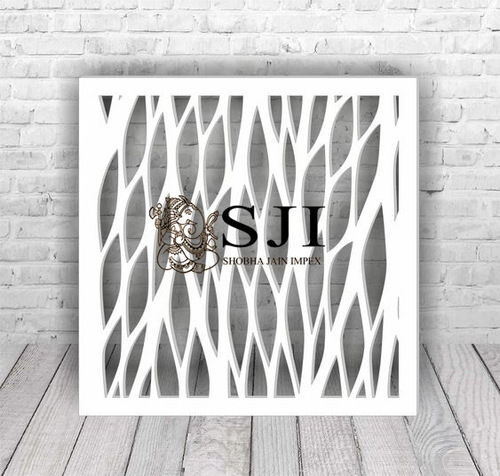
Tell us about your requirement

Price:
Quantity
Select Unit
- 50
- 100
- 200
- 250
- 500
- 1000+
Additional detail
Mobile number
Email

More Products in GRC Jali and Screen Category
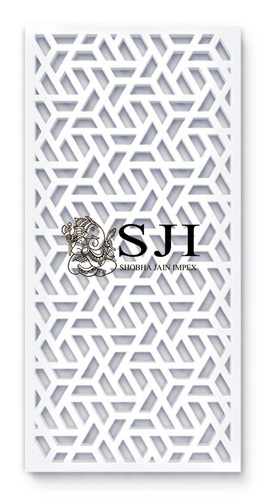
GRC Screen
Minimum Order Quantity : 1 Piece
Design Type : Contemporary & Modern
Use : Gift wrap
Color : White
Material : GRC
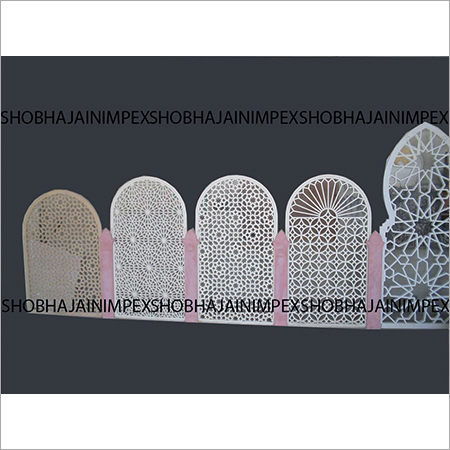
GRC Jali and Screen 5
Price 20000 INR / Piece
Minimum Order Quantity : 1 Piece
Design Type : Screen with ornate patterns
Use : Decoration
Color : White
Material : Glass Reinforced Concrete
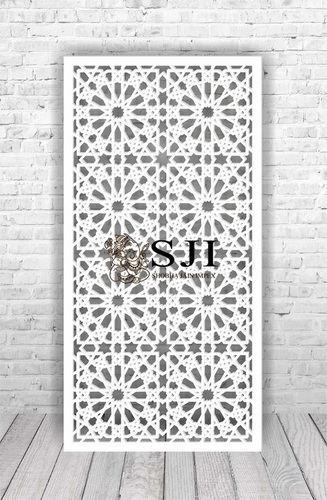
Creative Jali Screen
Design Type : Creative Jali Pattern
Use : Partition walls aesthetic enhancements room dividers
Color : White
Material : Highquality MDF or similar engineered wood
Contemporary Jali
Design Type : Jali Pattern
Use : Interior and Exterior Decoration
Color : White
Material : PVC or similar synthetic material

Our major export markets are United State, Canada, United Kingdom, Asia, Australia, Central America, North America, South America, Eastern Europe, Western Europe and Middle East.
Contact Details
- Plot No. 582, Khasra No. 154, Near Shri Ram Dharm Kanta, Pooth Khurd,Delhi - 110039, India
-
tapan@shobhajainimpex.com


Phones
- Phone :08045803474
Share to




 Send Inquiry
 Send SMS
 Call Me Free
SHOBHA JAIN IMPEX All Rights Reserved.(Terms of Use)
Developed and Managed by Infocom Network Private Limited. Terms of use | Returns Policy Member
Developed and Managed by Infocom Network Private Limited. Terms of use | Returns Policy Member
